
Life would be boring if everyone and everything looked the same. Most of the time, it’s the differences in our physical appearances that make us unique and interesting.
Take the case of vitiligo, for example. Technically, it’s a disease, and a rare and unusual one at that, in which patches of skin lose their pigment. But despite the odd way it looks, it’s completely harmless.
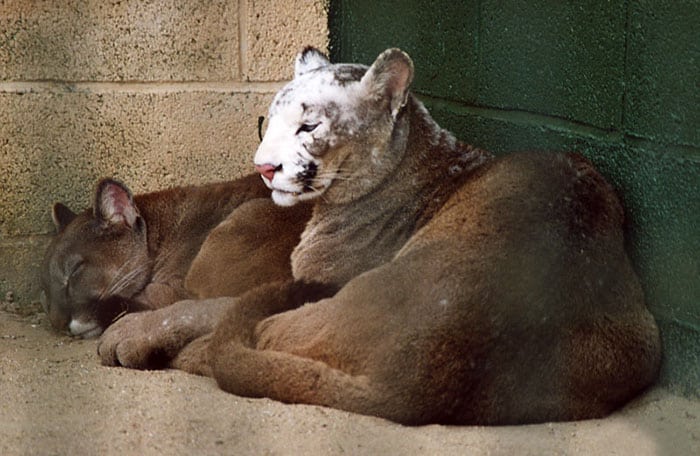
Vitiligo is a rare skin condition that affects both humans and animals. It causes large patches of skin to lose its pigment.
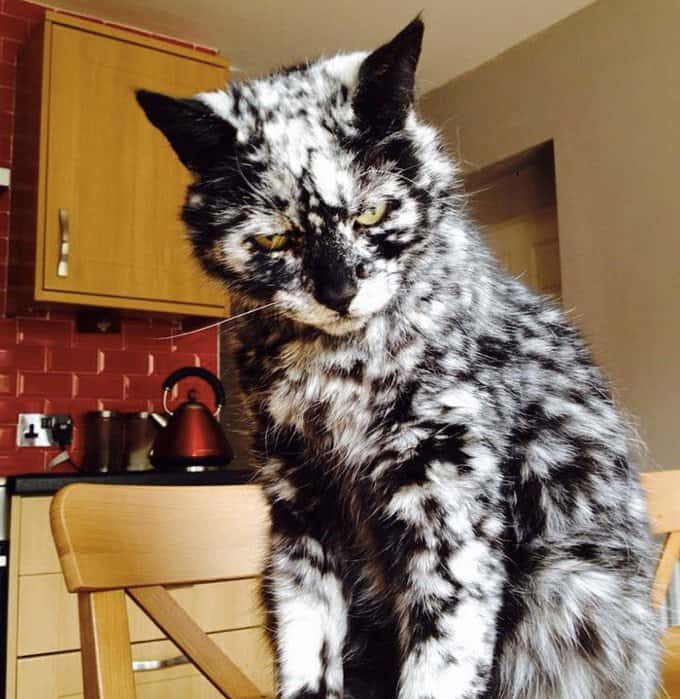
The hair in these affected areas often become white as well. How the disease comes about, however, is generally unknown.
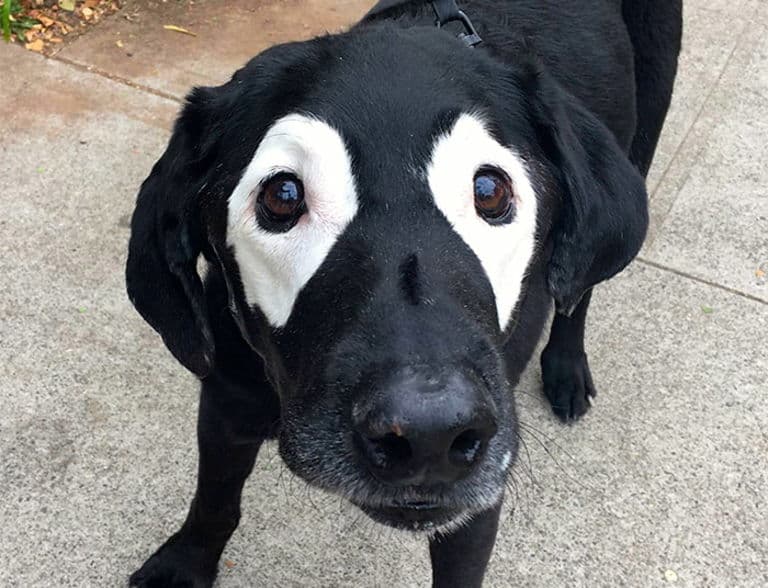
Some may be more susceptible to it due to genetic and environmental factors that cause the immune system to attack skin pigment cells.
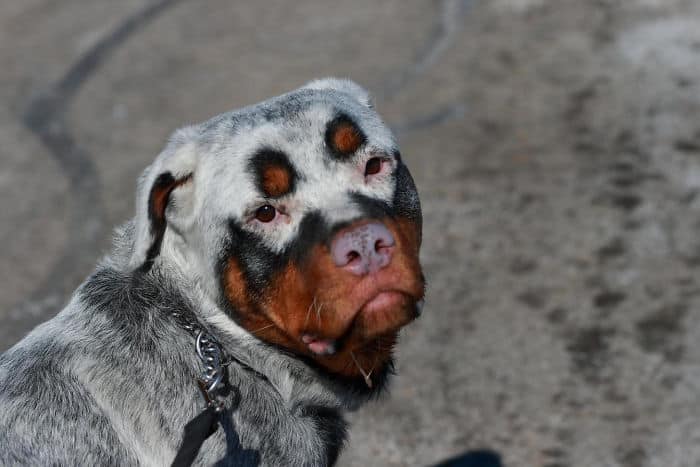
Vitiligo has no known cure, although it’s recommended that humans with the condition use sunscreen to protect their skin. Animals, of course, don’t need to do anything!
The condition is most common in humans, with about 1% of the world’s population affected by it, which means that about 50 million people have it worldwide!

In the United States alone, about 2 to 5 million people have vitiligo. Though it’s less common, there are certainly plenty of animals with the disease as well.
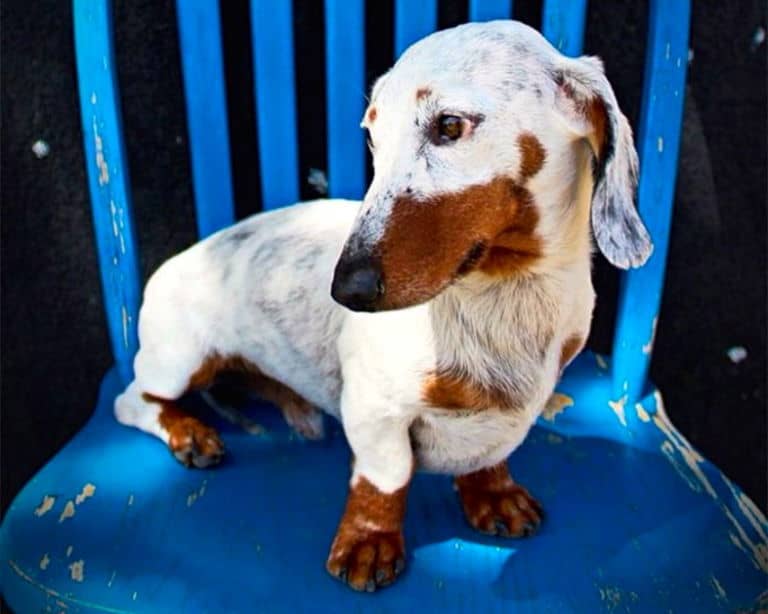
Vitiligo affects males and females in equal measure. This butterfly doesn’t seem to mind his new friend’s condition!
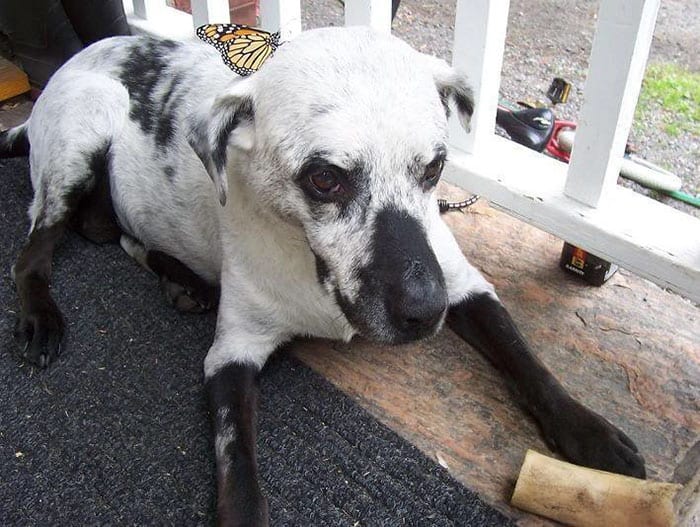
Vitiligo is less noticeable in animals with lighter skin—or, in this case, fur. It is also most commonly found on wrists, hands, and faces.
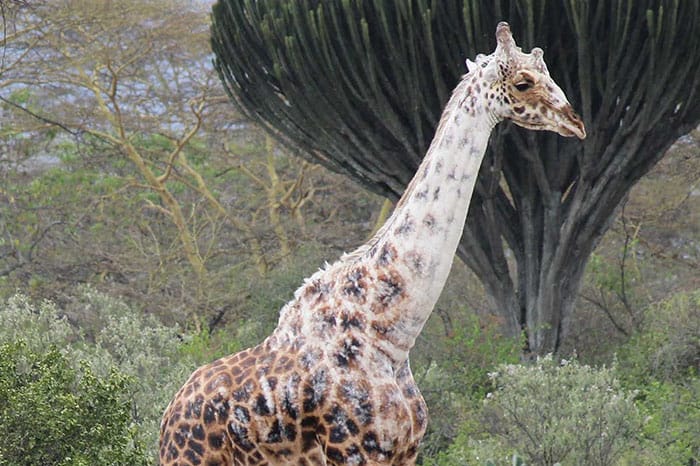
The patches of skin (and fur) that are affected by vitiligo may expand over time. The diagnosis is similar to that of albinism. And the condition actually dates back to ancient times.

There are reports of the condition dating back to 1500 B.C.E. Hippocrates often referred to vitiligo and leprosy interchangeably, though the two are completely unrelated.

Most likely, the name of the disease is derived from the word vitium, which means “blemish” or “defect.” And the first known reference to the disease by name was in the text De Medicina by Aulus Cornelius Celsus.
There have been a number of famous people with vitiligo, such as Michael Jackson. In a 1993 interview with Oprah Winfrey, he revealed that he had the disease, which was confirmed in the autopsy following his 2009 death.
Another famous case of vitiligo is with model Winnie Harlow (real name Chantelle Brown-Young), who became known as a “vitiligo spokesmodel” after competing in America’s Next Top Model.

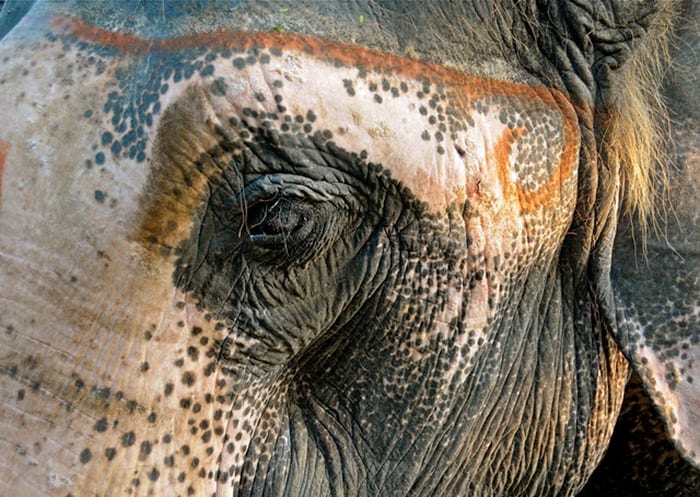
Just like their human counterparts, all of these animals prove that vitiligo is a beautiful thing. It’s truly their differences that make them special.
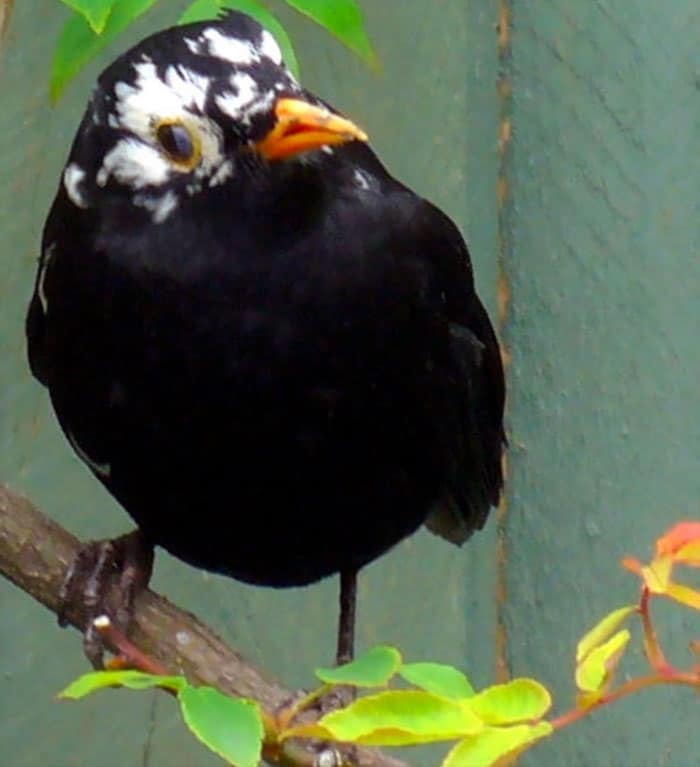
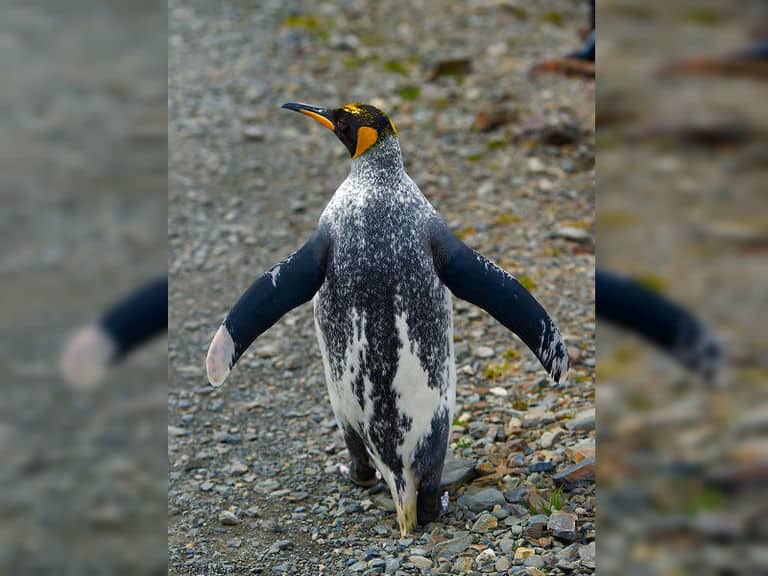
We can all take inspiration from animals like this bird, who doesn’t seem to let his unusual condition bother him. They just go about their lives like they otherwise would!


Share this with your friends and families!
More You'll Love
Dog Has Emotional Breakdown Watching The Lion King’s Saddest Scene
Clever Bird Hates Mom’s Music, Outsmarts Her Using Alexa
Everything You Need to Know About a Cavapoo
Dad Hears Strange Noises In The Bedroom – Walks In On Cutest Scene Ever
They Bought This Tiny Weasel A New Toy, And His Reaction Is Hysterical!
Woman Adopted Two Lion Cubs But Was Forced To Give Them Up. Now She Goes To Visit Them After 7 Years Away