
There are hundreds of dog breeds walking the earth today. And while that might seem like a lot, there actually used to be more.
Like the dinosaurs of the canine family, these 21 dogs aren’t around anymore. But these now-extinct breeds once roamed the countryside and kept our ancestors company!
1. Talbot
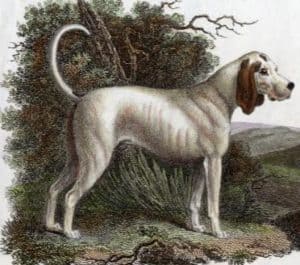
An ancestor of the beagle and coonhound, the talbot was known for its strong sense of smell that some have likened to the bloodhound.
2. St. John’s Water Dog
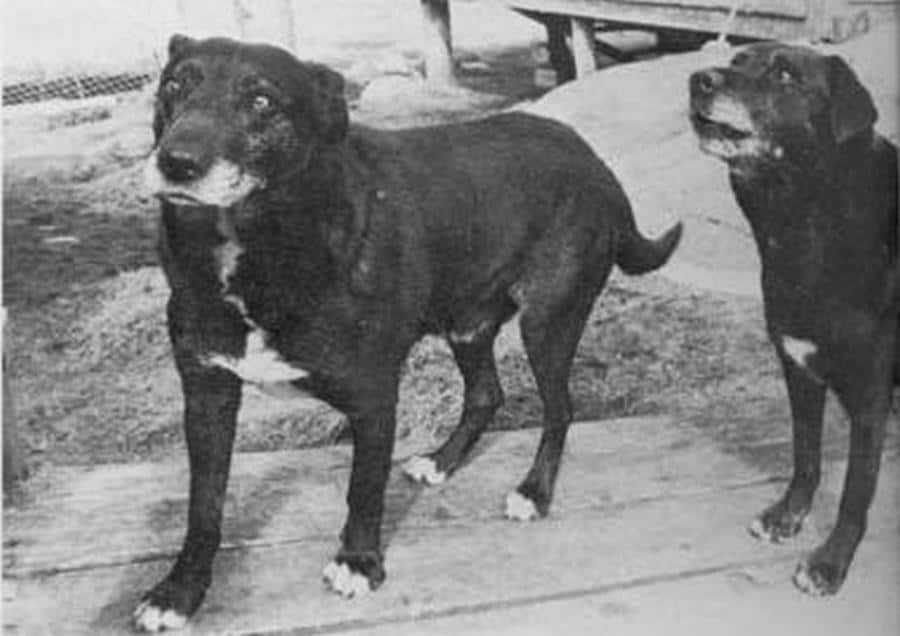
A natural crossbreed between the dogs that lived in Newfoundland and water dogs brought over with fisherman from Portugal, these dogs eventually led to the creation of the labrador retriever breed.
3. Cumberland Sheepdog
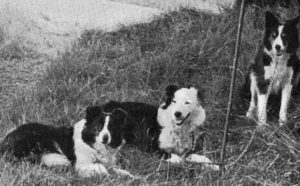
Believed to have been the predecessor of the border collie, the Cumberland sheepdog was once extremely popular in Northern England.
4. English Water Spaniel
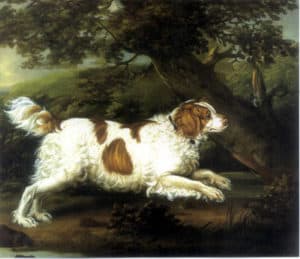
Extinct since the early 20th century, the English water spaniel was used for hunting water fowl.
5. Old English Bulldog
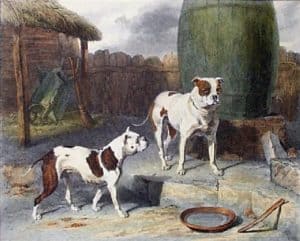
Larger than their modern relatives, these bulldogs were bred for bull-baiting and had lower jaws that stuck out much further than their upper one.
6. Toy Bulldog
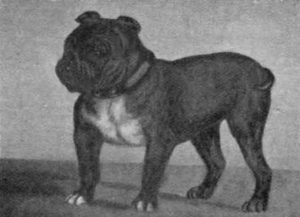
These guys were around in 18th and 19th century England and developed in an attempt to make a miniature bulldog. However, this breed faded out because they weren’t very fertile or healthy.
7. Toy Trawler Spaniel
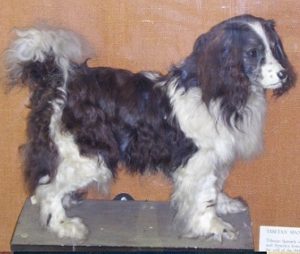
Largely extinct by 1920, these dogs were bred to be hunting dogs but were more often enjoyed as pets.
8. Turnspit Dog
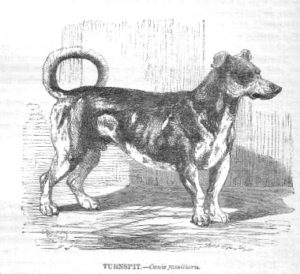
This dog was bred to be short-legged and long in order to run on a wheel that would turn meat on a spit. Also, they were used as feet warmers for parishioners at church.
9. Cordoba Fighting Dog
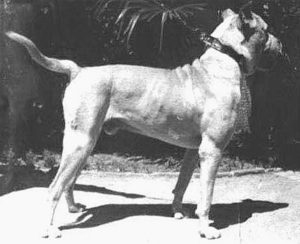
These fighting dogs, bred in Cordobá, Argentina, were said to be so aggressive that they would rather fight than mate, which led to the breed disappearing.
10. Hare Indian Dog
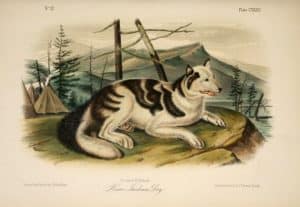
Bred by the Hare Indians of Northern Canada, these dogs may have actually been domesticated coyotes. Eventually they interbred with other dogs and the breed disappeared.
11. Tesem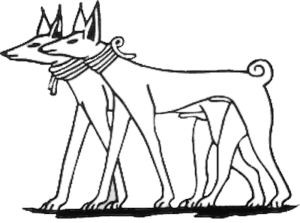
An ancient Egyptian hunting dog, evidence of the tesem has been found as far back as 2609 to 2584 BC!
12. Dogo Cubano
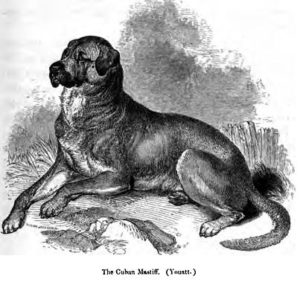
Otherwise known as the Cuban Mastiff, these dogs were bred to fight and to catch slaves. But after slavery was outlawed in Cuba, the breed was lost.
13. Chien-gris
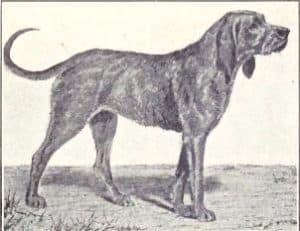
A breed of medieval scent-hound, these dogs were used in the French royal packs from around 1250 to 1470.
14. Blue Paul Terrier
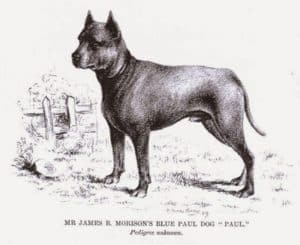
These mysterious dogs have no known region of origin, but they were popular fighting dogs. They’re said to to be one of the first dogs to have arrived in America.
15. Bullenbeisser
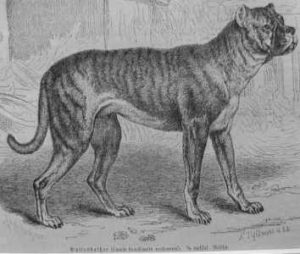
These German dogs were closely related to the modern boxer, as its extinction came at the hands of intentional crossbreeding that gave us the boxer.
16. Braque De Puy
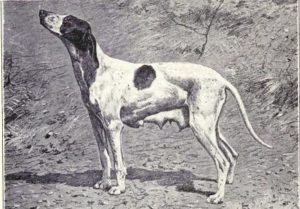
These dogs were fast and great for hunting. They likely were the result of crossing the Braques with a type of greyhound.
17. Moscow Water Dog
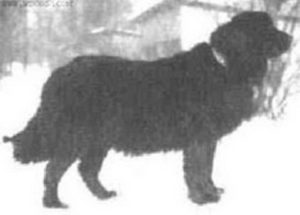
These guys were developed after World War II in order to help with water rescues, but their aggressive nature led to them biting more people than they saved.
18. Molossus
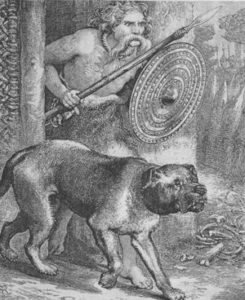
A favorite of Aristotle, these dogs are thought to be the ancestors of mastiffs. Though it’s not totally known, the belief is that they were used for hunting and protecting livestock.
19. Tahltan Bear Dog
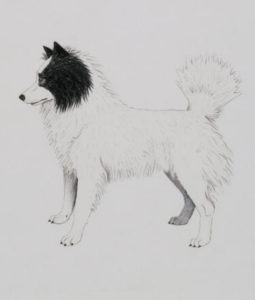
Used by the Tahltan people of British Columbia, these dogs were designed to hunt bears. Despite this, they were said to have a gentle temperament.
20. Paisley Terrier
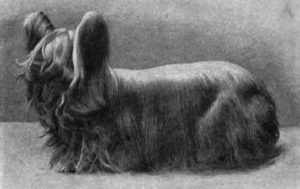

Bred to be show dogs, these little guys were eventually bred into the wildly popular Yorkshire terrier.
It’s sad that these guys are not around anymore, but at the same time, it really shows just how far back man’s bond with dogs really goes.
Share these fascinating historical breeds with your friends who love dogs!