
One of the first things we all learn as kids is the sound that each animal makes. Whether we played with toys that made noises or belted out “Old McDonald” at the top of our lungs, certain animal sounds were ingrained into our memories on day one.
Of course, these toys and songs didn’t cover every animal in the kingdom. Take, for example, the rare and beautiful lynx. It’s a big cat, so you might think you could guess what it sounds like, right?
You know about a house cat’s meow and a lion’s roar—how different could a lynx really sound? Evidently, it’s much different! As this trail cam video will show, the lynx’s noise is one they didn’t teach you growing up!
The employees at Swan Valley Connections, a conservation and education organization based in Montana, have dedicated their lives to studying the lynx. While you probably recognize this beautiful big cat, the truth is that there is a still a lot to learn about these creatures.
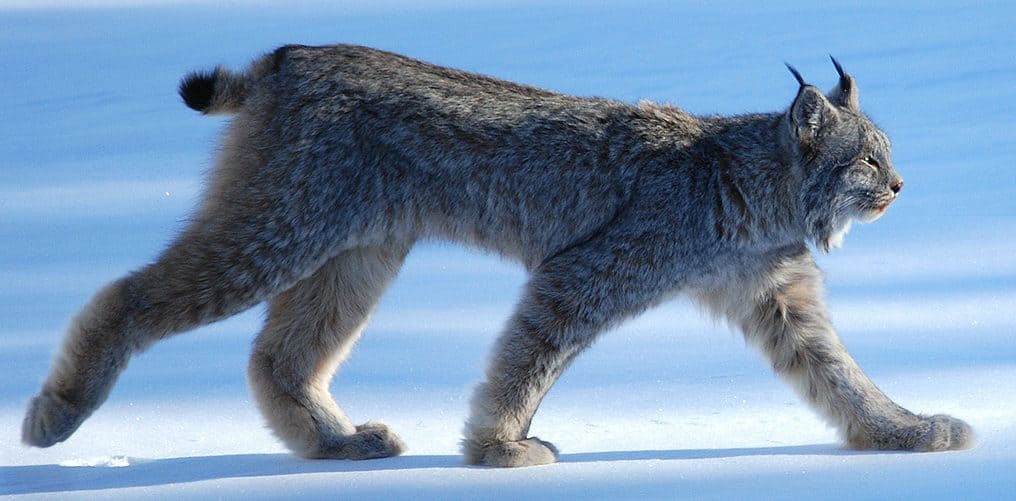

Much like other cats, the lynx is a fairly solitary animal. Part of the reason why there’s so much left to learn about the lynx is the simple fact that it hunts at night and avoids interacting with human beings as much as possible.
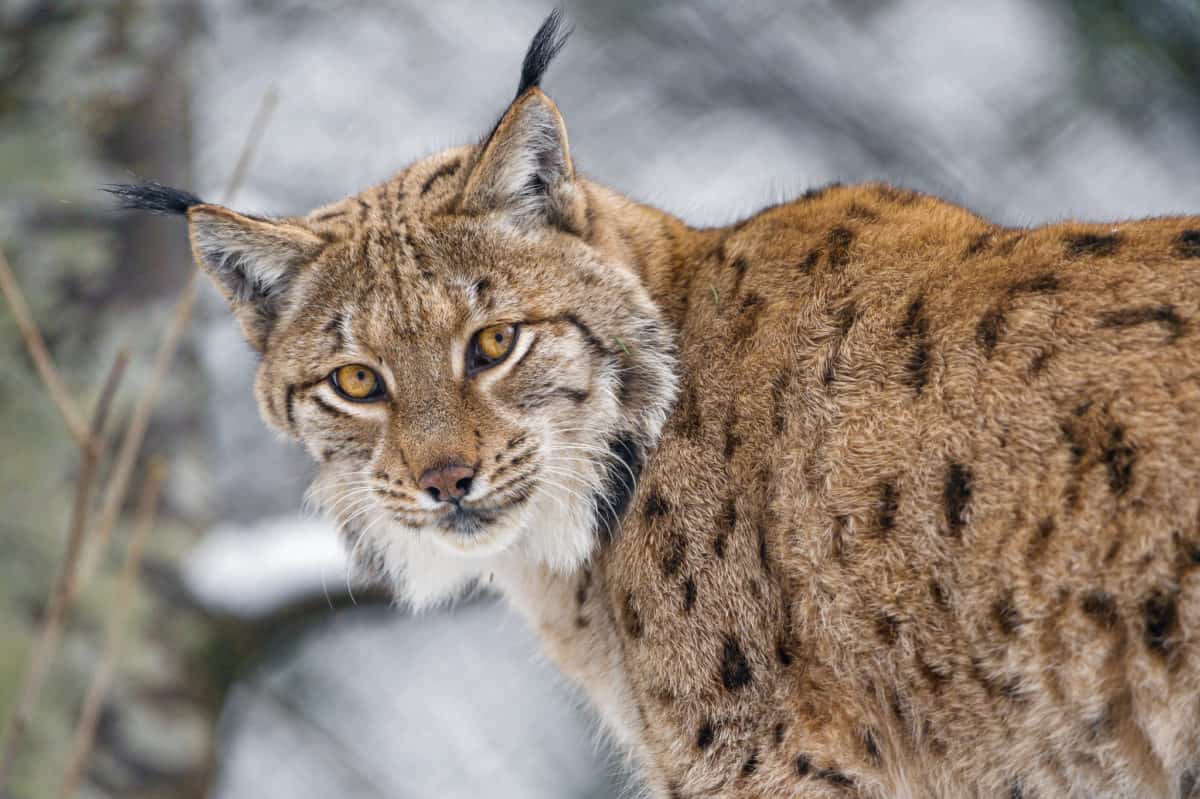
This can make it almost impossible to capture a photo, let alone observe the lynx’s behavior in the wild. That’s what made recent trail footage captured by Swan Valley Connections so extraordinary…
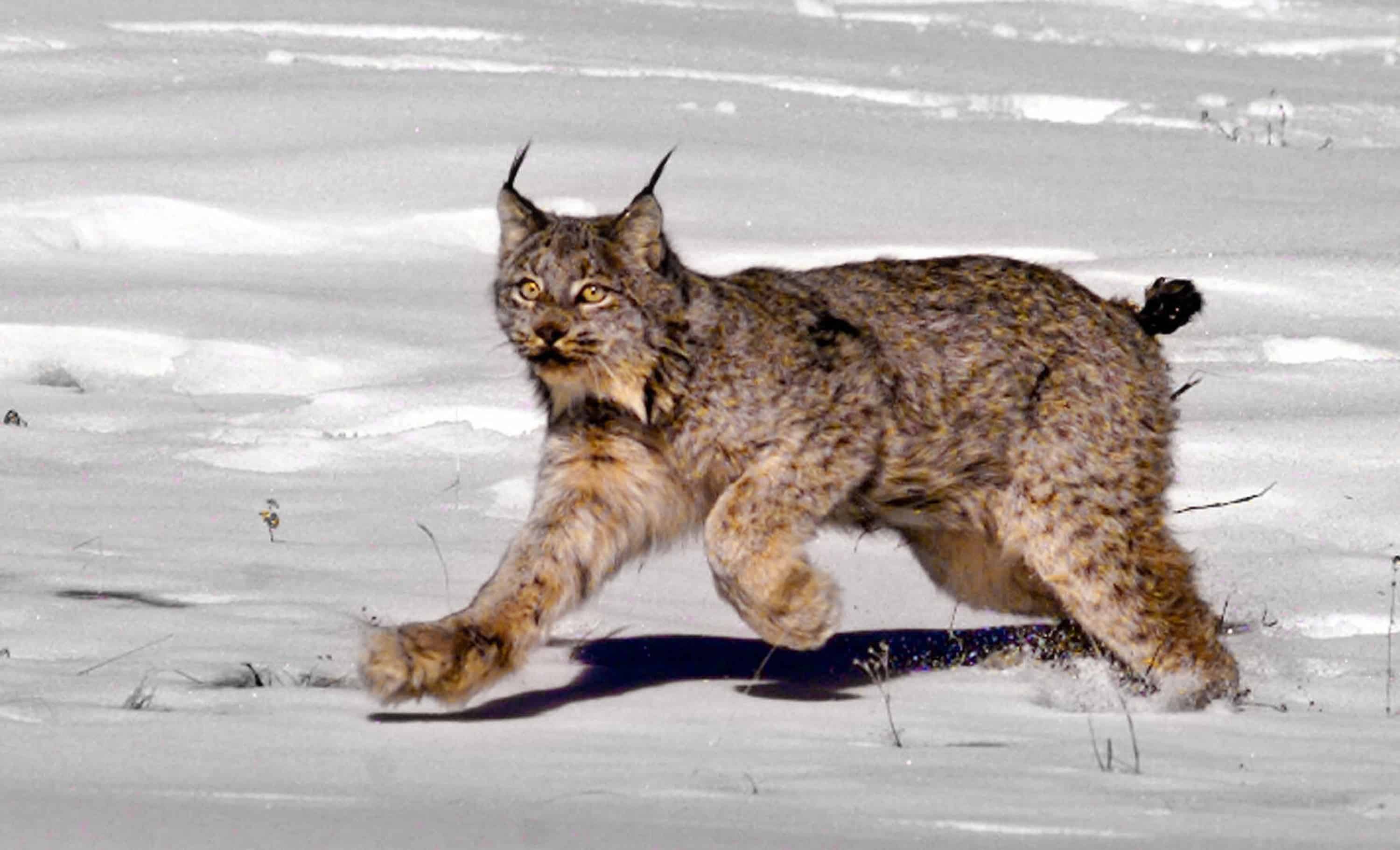
The trail cams make for an ideal way to spy on the lynx without their knowledge. In fact, it’s surveillance like this that has taught us almost all we know about these adorable, if very shy, felines.
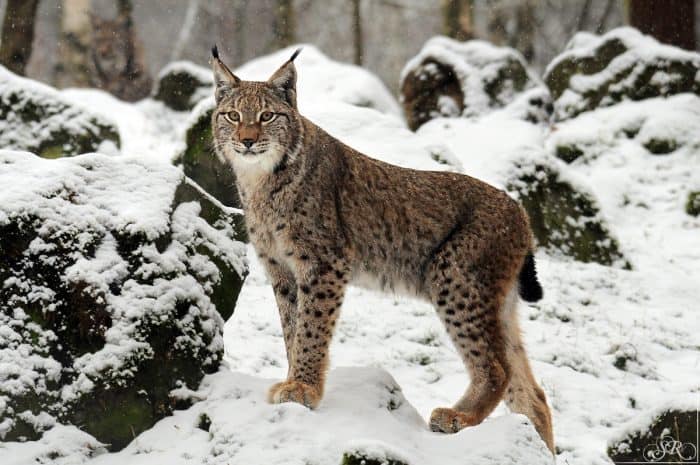
For example, surveillance over the years taught us that the tufts of hair on the tops of their ears serve a really important function: they help the lynx better hear and track their prey. Who’d have thought?
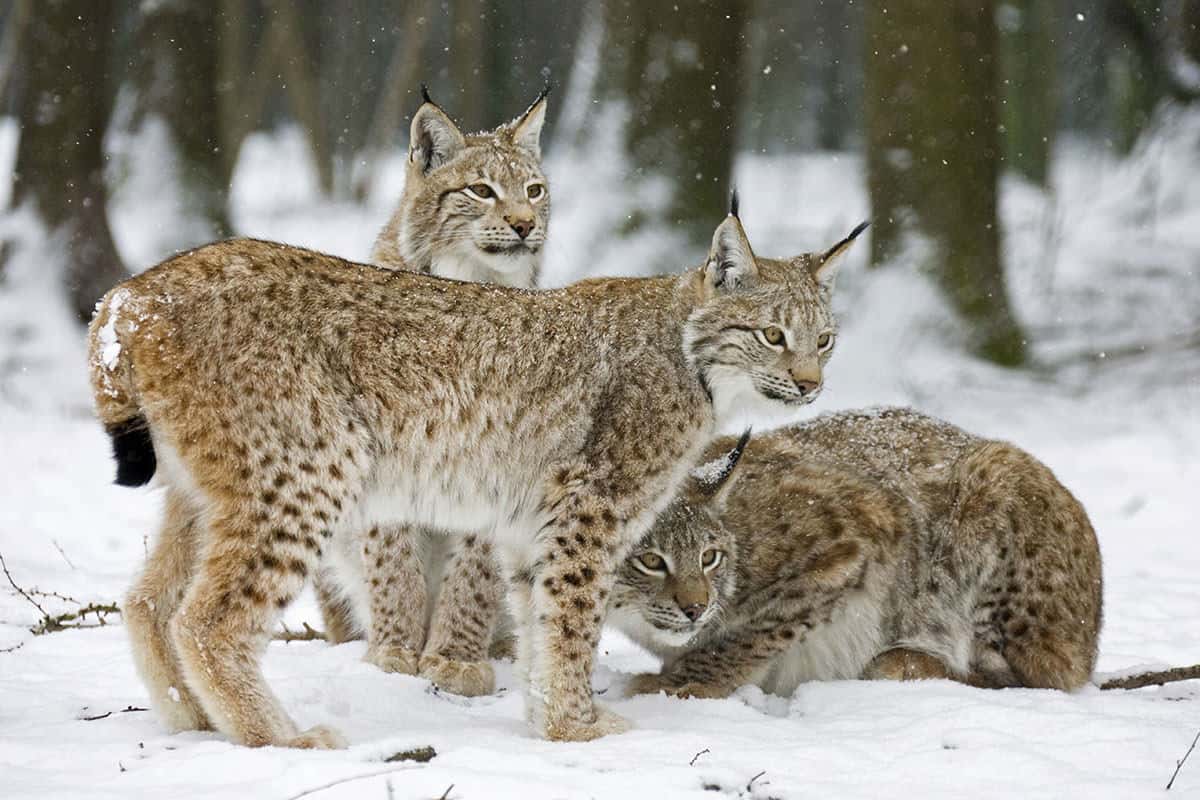
Another detail we learned from trail cams: lynx are unique in that they’re omnivores, meaning that they consume both vegetation and meat. Of course, their favorite treat is the snowshoe hare, and there’s even an observable correlation between the rise and fall of the hare population and that of the lynx.
There’s also a very good reason that the lynx tends to avoid human beings, and that’s because these beautiful creatures are often hunted for their stunning fur. In fact, over-hunting has made the Iberian lynx one of the most endangered big cats on Earth.
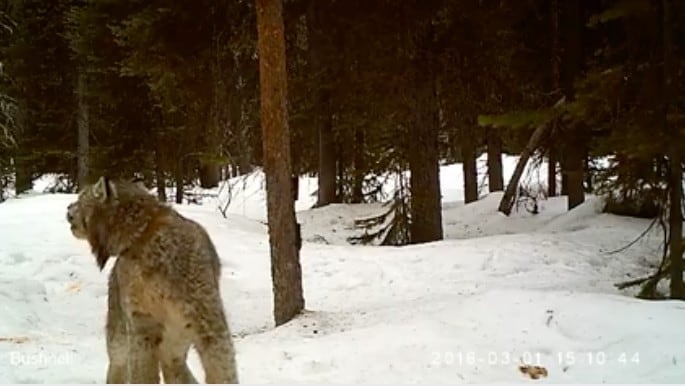
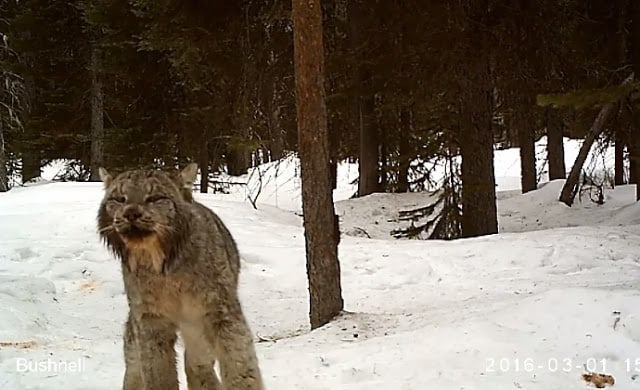
That’s why trail cam footage, like what Swan Valley Connections captured, is so vital. It can help researchers track the lynx population and their movements. It can also mean moments like this one are caught on film…
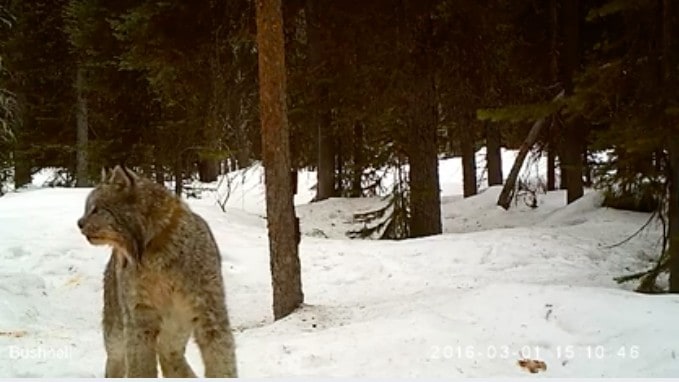
In the footage, one lynx waltzed by the camera… and then the beautiful creature did something that has perplexed people for generations: it produced a noise that few have ever heard before. It finally answered the question, “What does the lynx say?”
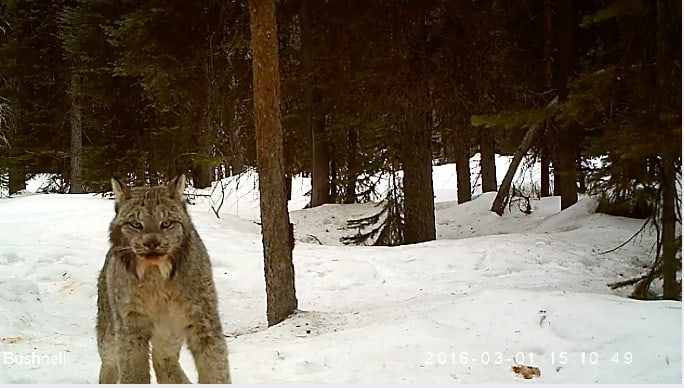
Thanks to the hard work of the Swan Valley Connections team, we can all finally hear what a lynx sounds like in the wild! If you’re even remotely curious, then you should watch the video below and hear for yourself.
(Video may take a moment to load.)
That was such a strange noise! It’s like a half-growl, half-roar. It makes you wonder what that lynx was trying to say. (We’re guessing, “Quit filming me!”)
Share this bizarre noise with your friends and families!